
What Estate Plan Documents Should I Have?
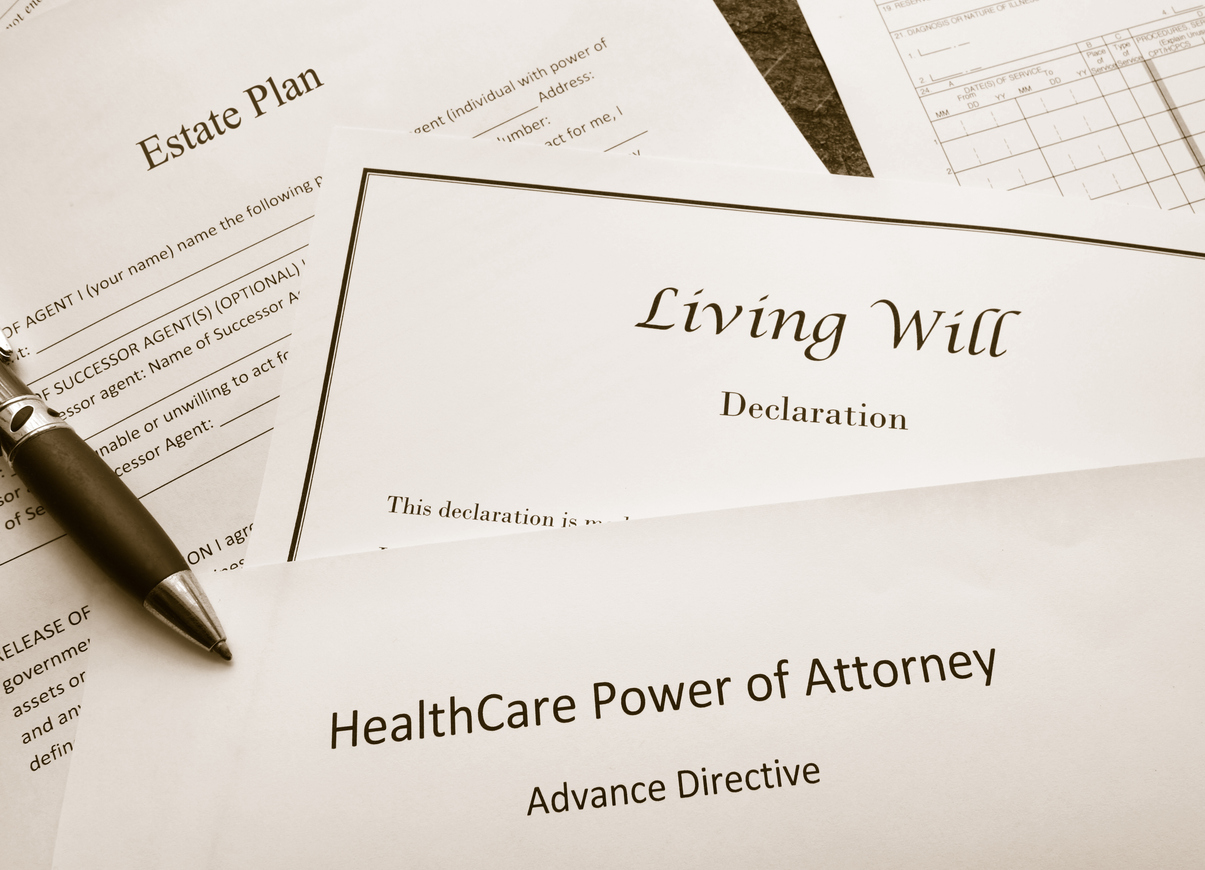
There are many reasons why you may choose to create an estate plan. Whether you want to control your legacy, minimize taxes, or prevent family conflicts after you pass, this tool could give you peace of mind.
However, if you are not familiar with the process, you may be confused about what estate plan documents you should have. Contact DuPont Law Group today to consult our skilled estate planning and probate attorneys and receive legal guidance for creating your estate plan.
Last Will and Testament
Most people have heard of a last will and testament, and this legal document is a common estate plan tool that every adult should have. The purpose of your will is to outline how you want your property and other assets distributed after your death. This document also names an executor to manage your estate, while designating legal guardians to care for your minor children, if applicable.
Durable Power of Attorney
A Power of Attorney (POA) is another essential estate plan document. A POA grants a trusted individual, referred to as your “agent,” with the authority to manage your financial affairs in the event you become incapacitated or are otherwise unable to do so yourself. Your agent’s responsibilities may include paying your bills, filing tax returns, and managing your investment portfolio.
Advanced Healthcare Directives
Advanced Healthcare Directives make up a set of estate planning materials that ensure your medical wishes are honored when you are unable to communicate them yourself. A Medical Power of Attorney (also called a Healthcare Proxy) designates an agent who is permitted to make healthcare decisions on your behalf, while a Living Will represents your preferences for end-of-life treatments, including life support measures, such as mechanical ventilation or artificial nutrition.
Beneficiary Designations
One of the most important estate plan documents you should have in place to help avoid probate is your beneficiary designations. These forms direct assets to chosen beneficiaries outside of your will, and may include life insurance policies, retirement accounts (401(k) and IRA, for example), annuities, payable-on-death bank accounts, as well as transferable-on-death brokerage accounts. It is essential to ensure that these documents are kept up to date, as these forms may override your will.
Reach Out to Learn What Estate Plan Documents You Should Create and Why
With this basic guide, you should have a better understanding of what estate plan documents you should have. For help drafting these documents, reach out to DuPont Law Group. Schedule a consultation with one of our experienced estate planning attorneys to ensure your wishes are followed, protect your assets for future generations, and avoid probate court involvement.